
The runway creates demand in hours, you handle it for weeks
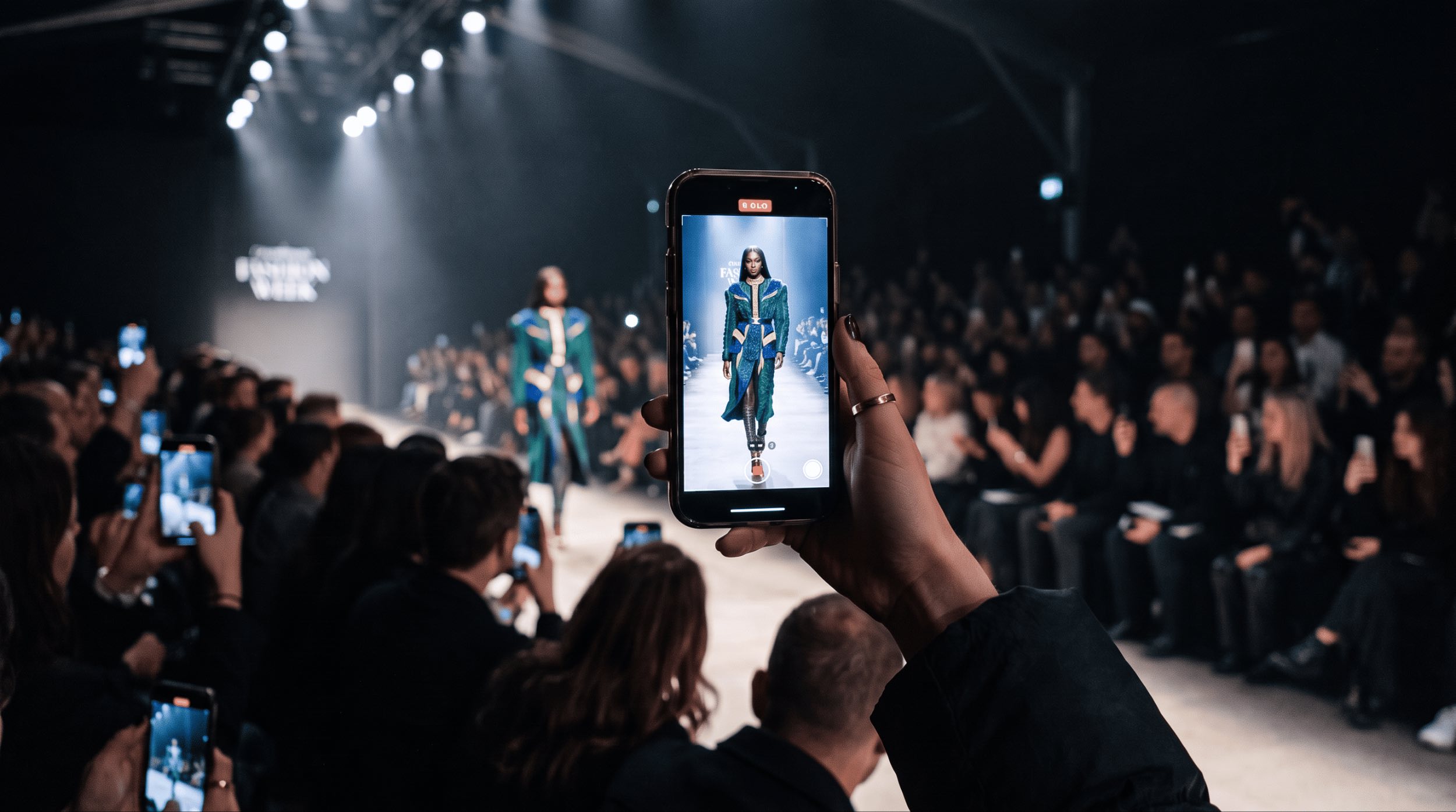
Three of the five fashion capitals are in Europe, and all of them show in September. The demand those shows generate arrives in hours, but handling it takes weeks. In this article we cover what to measure before the sales peak, how to prepare for cross-border, and what to do when the product starts coming back.
How to handle a sales peak in ecommerce
Fashion weeks have always set the trends. Today they also measure how fast a brand has to react. September brings New York, London, Milan, Paris and Madrid, and with them a customer who expects to buy what they've just seen.
Fashion accounts for around 20% of online spending across the main Western European markets, according to the NIQ report on European fashion ecommerce in 2026, based on the behaviour of more than two million online shoppers across ten countries.
In the UK the weight is greater still. In April 2026, 29.3% of clothing sales were made online, against 27.3% for retail as a whole, according to the Office for National Statistics. It's the most digitalised category in British retail.
That changes the weight of everything that happens after the click. When digital was a complement, a badly handled return was an incident. When a significant part of your sales comes through this channel, any friction in delivery, customer service or returns can hit the bottom line directly.
Preparing your ecommerce for a fashion week isn't just about making sure the site can take the traffic. It also means having the operation that comes afterwards ready: deliveries, customer service, exchanges and returns.
When demand arrives, the real work starts
European ecommerce grew by 5% over the past year, while online fashion sales grew by 3%. In a more mature market, growth depends increasingly on how much value a brand extracts from each sale and each garment in its inventory.
When growth slows, every order has to generate more value. And that's where what happens after the purchase starts to matter as much as the sale itself.
A return carries a logistics cost, but the impact goes further. While that garment sits outside your available stock, it can't generate revenue.
That's why a demand peak like a fashion week is also a critical moment for the operation. More orders mean more deliveries, more queries and, potentially, more returns to handle. The better prepared a brand is to absorb that volume, the more chance it has of turning that peak in attention into sales that actually add value.
Fashion week no longer ends when the show ends
Fifteen years ago the route was short and closed. From the show to the trade press, and six months later the pieces appeared in store. The end customer had no say in it.
That model broke in 2016, when Burberry, Tom Ford and Tommy Hilfiger put their collections on sale the same day as the show. The reason Burberry gave then still holds today: customers don't shop twice a year, and they don't want to wait months for what they've just seen.
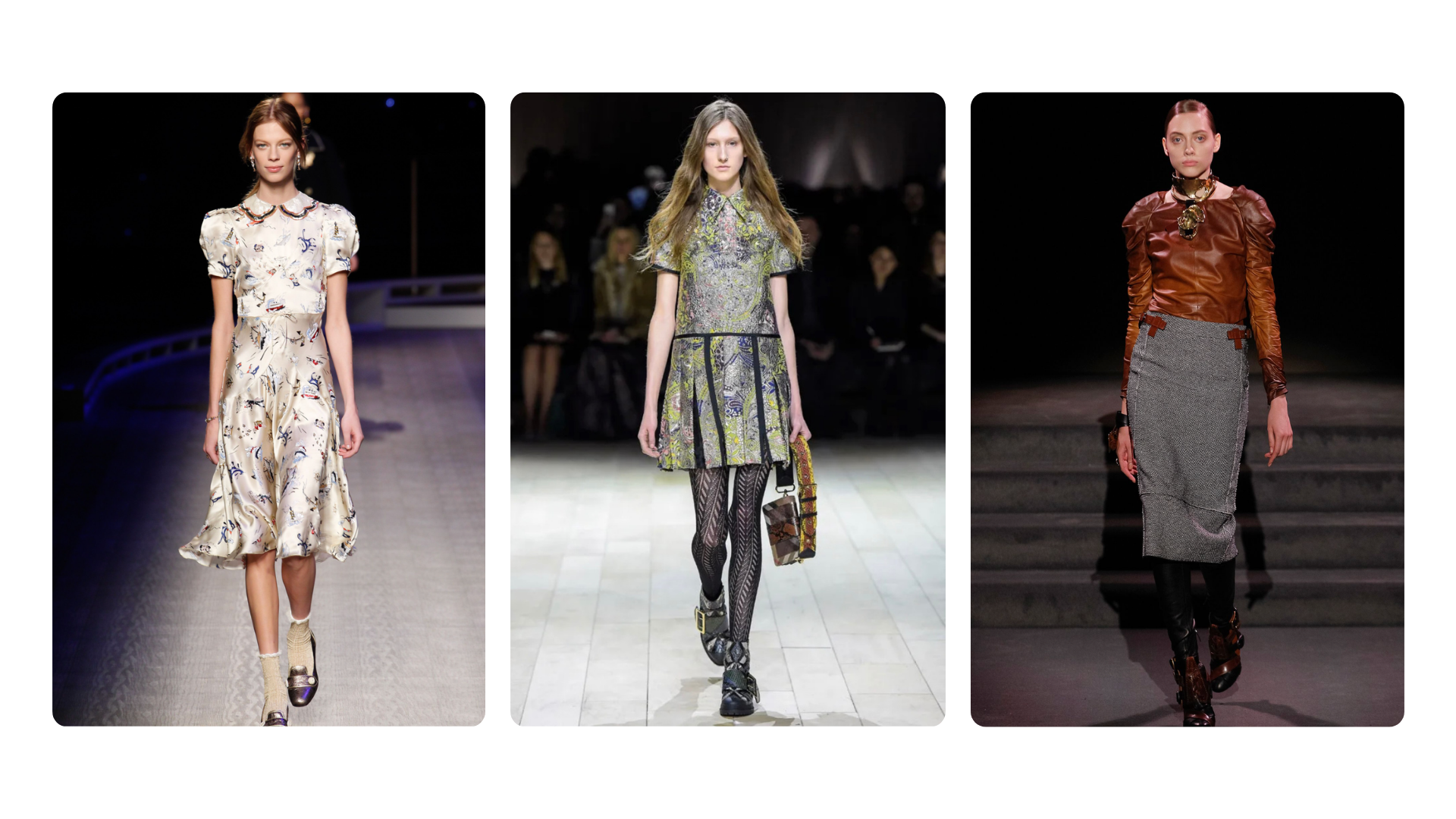
Today the show is streamed across social media, creators weigh in, and the customer wants that product ready to buy within hours. Ecommerce has made possible something that wasn't before: turning the attention a show generates into an immediate purchase.
The scale of that attention is measurable. According to Launchmetrics, during the SS26 season Paris generated $1.2 billion in media impact value, Milan $570.1 million, New York $408.2 million and London $163.8 million. Close to half of that comes from Instagram alone.
And the moment no longer ends when the show does. In October 2025, more than a year after Victoria Beckham presented her collection at Paris Fashion Week, Netflix released a three-part docuseries whose final episode is dedicated entirely to that show. The show stops being just an event and becomes content capable of generating attention and demand long afterwards.
That shift also affects the operation. The demand a show generates can translate into orders over days or weeks, not just a single spike. And every one of those orders sets off a chain the brand has to be able to handle without the customer experience suffering for it.
Selling in Europe means running several markets at once
Three of the five fashion capitals are in Europe, and Madrid adds another stop to the calendar. The attention peak is generated here and much of the demand it produces stays here.
But selling across several markets adds another layer of complexity: the same order doesn't behave the same way depending on which country it's headed to.
According to Eurostat, 35.4% of EU online shoppers reported a problem with a purchase in 2025. The most common one was the order arriving later than expected, at 19.9%.
The variation between countries is enormous: from 4.5% in Portugal to 64% in Malta, with Spain at 50%.
That difference matters if you sell across several markets, because the same delivery process can generate very different query volumes depending on where the order lands.
From the international sale to the international return
The attention a fashion week generates does not stop at borders either. A show in Milan can turn a shopper's attention in the United States, the UK or Asia into an international order within hours. And each of those orders comes with duties, taxes and paperwork at destination.
Our client Patta went through this in a single drop: 4,000 parcels shipped to the United States, with duties paid up front so that nobody found an unexpected bill at the door.
"Since we have Atlas, we work on international launches with a lot of confidence, and right now for the United States in particular." Tomas Overtoom, Business Growth at Patta
Handling an international peak means being clear from checkout about what the customer will pay and what happens if they need to return the product. The less uncertainty before the purchase, the less friction after it.
More than half of all returns start with a sizing doubt
Every season brings more launches, more drops, more orders from new markets and more collection turnover. And behind all of it, more returns.
Our State of Returns report explains why product comes back. The leading reason is still that the garment doesn't fit, at 34.63% of returns.
With runway product that doubt is at its highest. Nobody has ever held it, there are no reviews and there's no sizing history to go on.
Choosing a size becomes a difficult decision when the customer has no reference points. And that uncertainty translates directly into returns.
There's one figure in the same report that changes how all of this should be read: 88% of shoppers would rather request an exchange than a return when the reason is sizing.
The sale isn't necessarily lost to the doubt. It's lost when the process is slow enough that the customer decides to take the money and buy it somewhere else.
Bracketing also starts before the return
Bracketing means ordering several sizes of the same item with the intention of keeping one and sending the rest back.
Bracketing accounts for 21% of all returns. Added to the 34.63% of returns caused by a garment not fitting well, that means more than half of all returns come down to the same uncertainty: whether the size chosen will be the right one.
During a fashion week that uncertainty can be even higher, because the product has just reached the market and the customer has no previous reference points.
The runway is already in your home. So is the fitting room
Fifteen years ago, a show reached the public through fashion magazines and the trade press. Today you can watch it live from your sofa and follow it on TikTok.
Fashion has moved closer to the consumer as it has gone digital. First came online stores. Then social media turned shows into content anyone could watch. Today you can discover a collection, read what other people think of it and buy a piece without leaving the same digital space. The next step is being able to try it on there too.
Because although the whole discovery and purchase process has changed, one part of the experience is still hard to move onto a screen: knowing how the garment you are looking at on your phone will actually look on you.
That is where the virtual fitting room fits naturally. Not only as a tool to reduce doubt about a size, but as a way of bringing into the digital space an experience the customer already expects when buying fashion.
For luxury brands it also means bringing to ecommerce part of that more personal, more visual experience that has always been part of buying in store. The customer can discover a collection from anywhere and see how it would look on them before deciding.
With Tailor, they can see themselves wearing the garment, in photo or in video, and ask whatever they want about the product without leaving the page.
Fashion no longer waits for the customer to come to the store. Now it does not wait for them to try it on either.
In fashion, three weeks can change what a garment is worth
A return is part of how fashion is bought today. The problem starts when a garment takes too long to become available for sale again.
According to our report, 93.43% of consumers say a simple returns and exchanges process is decisive when choosing whether to buy from a brand for the first time. And 91.39% say they would not buy again after a bad returns experience.
Fashion works against the clock. In store, product usually turns over every few weeks. If a garment does not sell in that first window it stops being new, and its value starts to fall even if it is untouched.
Picture a dress from the new collection that sells in the second week of September, right in the peak. The customer receives it, hesitates over the size and sends it back.
Between the return, the delivery, the inspection and putting it back on sale, three weeks go by. By then it is October and demand for that dress has dropped.
That garment is no longer going to sell at full price, and everything follows from there: more pressure to discount, inventory the system counts but nobody can buy, and next season's planning built on numbers that do not reflect what you actually have available.
The question is not how many returns you have. It is how long it takes you to be able to sell that garment again.
Demand arrives fast. Does everything behind it?
Fashion already runs online, and a fashion week is one of the few moments in the year when a brand can get new demand all at once, from markets it does not control and on product nobody has tried.
The opportunity is turning that attention peak into sales. But to do it profitably, the experience cannot end at checkout. You also have to be able to deliver, respond, exchange and refund without adding friction for the customer or overloading the team.
Fashion week creates the demand. What happens behind it decides how much value you get out of it.
In short
Fashion already lives online, so your margin depends on getting more out of what you already have. And a fashion week is one of the few moments in the year when new demand arrives all at once, from markets you do not control and on product nobody has tried.
The runway launches the demand. What you have set up behind it decides whether that demand turns into profitable growth.
FAQs
How do you prepare your ecommerce for a fashion week demand peak?
By measuring, before the peak, how long it takes a return to become available for sale again, by having duties and taxes calculated at checkout before international orders start arriving, and by strengthening the sizing information on new product, which is what raises the most doubts.
Why does runway product generate more returns?
Because nobody has ever held it. There are no reviews, there is no sizing history for that fit and the customer does not know how it will look on them. According to Reveni's report The State of Returns, 34.63% of returns happen because the garment does not fit well, and another 21% because shoppers order several sizes at once.
What is bracketing and how much does it affect fashion brands?
It means ordering several sizes of the same item with the intention of keeping one and sending the rest back. According to Reveni's report The State of Returns, it accounts for 21% of all returns, three points more than the year before.
How do you handle international returns during a peak?
By calculating duties and taxes at checkout so the customer sees the final price before buying, and by automating the exchanges with customs and carriers during the return. Reveni Atlas handles both.
How do you cut "where is my order" tickets in peak season?
By sending the information before the customer goes looking for it: confirmation, dispatch notice, status changes and alerts when a parcel has not moved for days. Reveni Smart Tracking automates those updates and keeps tracking inside the brand's own site.


.png)