How do luxury brands approach their Black Friday strategy?
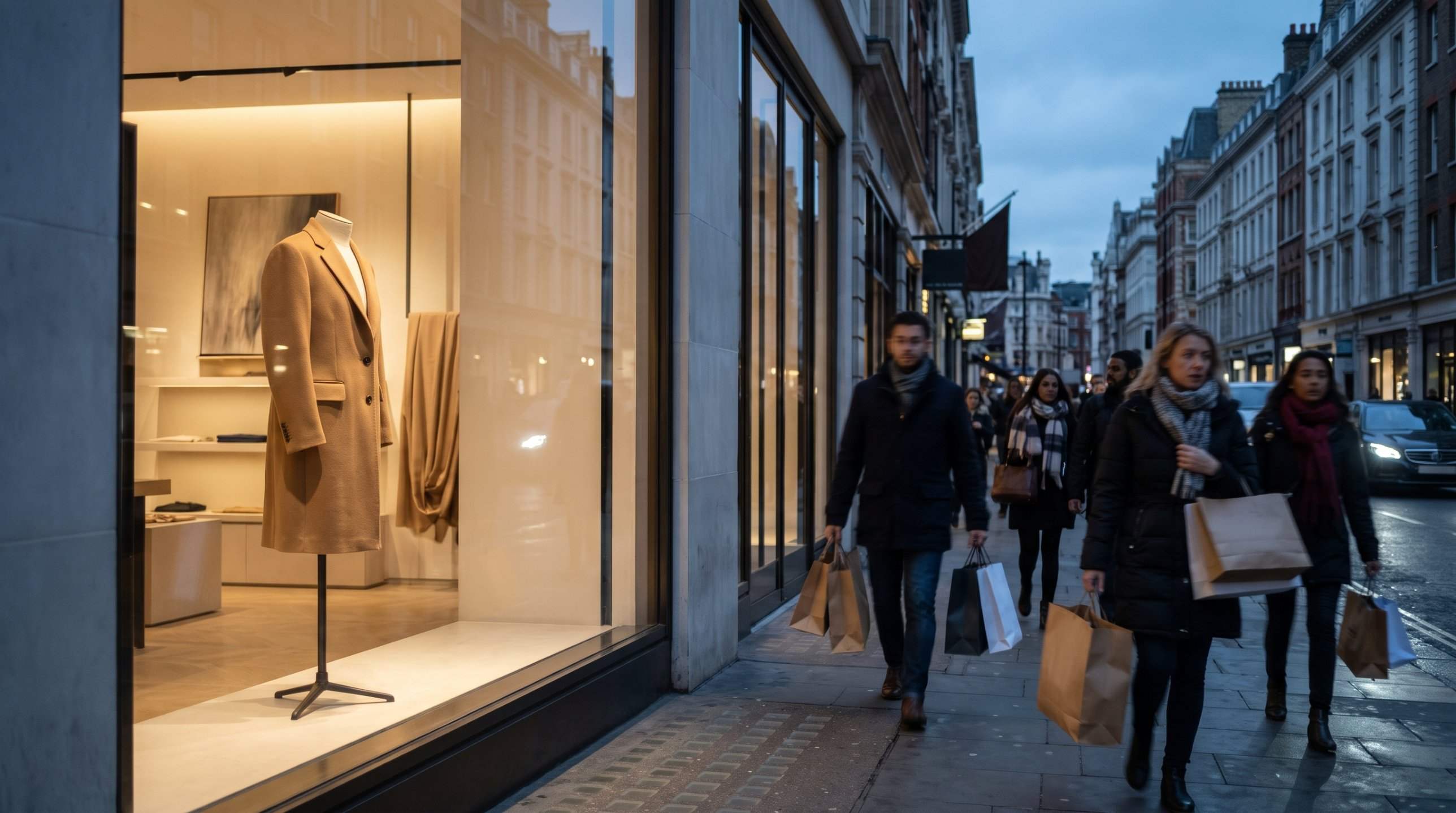
It’s Black Friday and a customer has had a £2,000 coat in her basket for three days. She isn’t expecting a discount, and the brand isn’t going to offer one. What’s holding her back is something else. She doesn’t know how it will fit, what happens if the parcel doesn’t arrive, or how long it’ll take to get her money back if it isn’t right.
More and more luxury brands are joining Black Friday without cutting prices. They do it with access for their best clients, limited editions, a gift with purchase or a donation for every order. But once the discount is gone, what decides whether she buys is the service.
Do luxury brands do Black Friday?
More and more, but in a different way. For years luxury stayed out of Black Friday to protect its image, and some brands still don’t take part. The ones that join usually do it without discounts, with formats that focus on rewarding the customer instead of marking down the product.
It fits with what The State of Fashion 2026, the McKinsey and BoF report, describes. After years of raising prices without the product improving at the same pace, luxury is trying to rely less on price to win back client trust. And high-net-worth shoppers are clear about it. Better product quality and better service are among the things that would most encourage them to buy more luxury in 2026.
How luxury brands take part in Black Friday without cutting prices
All of these formats work the same way.
The customer gets something extra and the price stays where it is.
Access and experiences for top clients
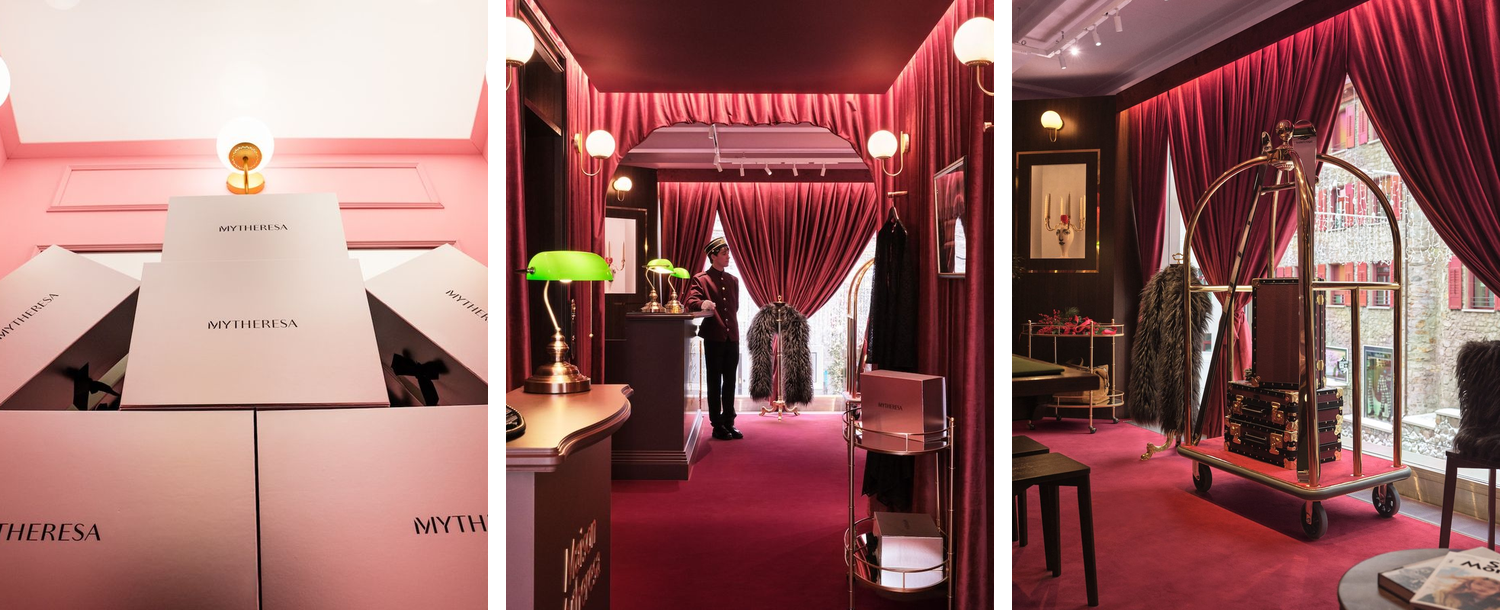
The clients who buy most get access to the collection before anyone else, are invited to private sales or are offered one-of-a-kind experiences. Mytheresa is a perfect example, though outside Black Friday. In December 2025 it opened Maison Mytheresa in St. Moritz, a space designed as a private club that stayed open until April 2026. The products weren’t the focus there. There were trunk shows, private styling appointments, workshops and talks, and its top clients could fly in by private jet from Munich. The biggest spenders are rewarded by being made to feel special, without touching the price of the products.
Limited editions for those dates
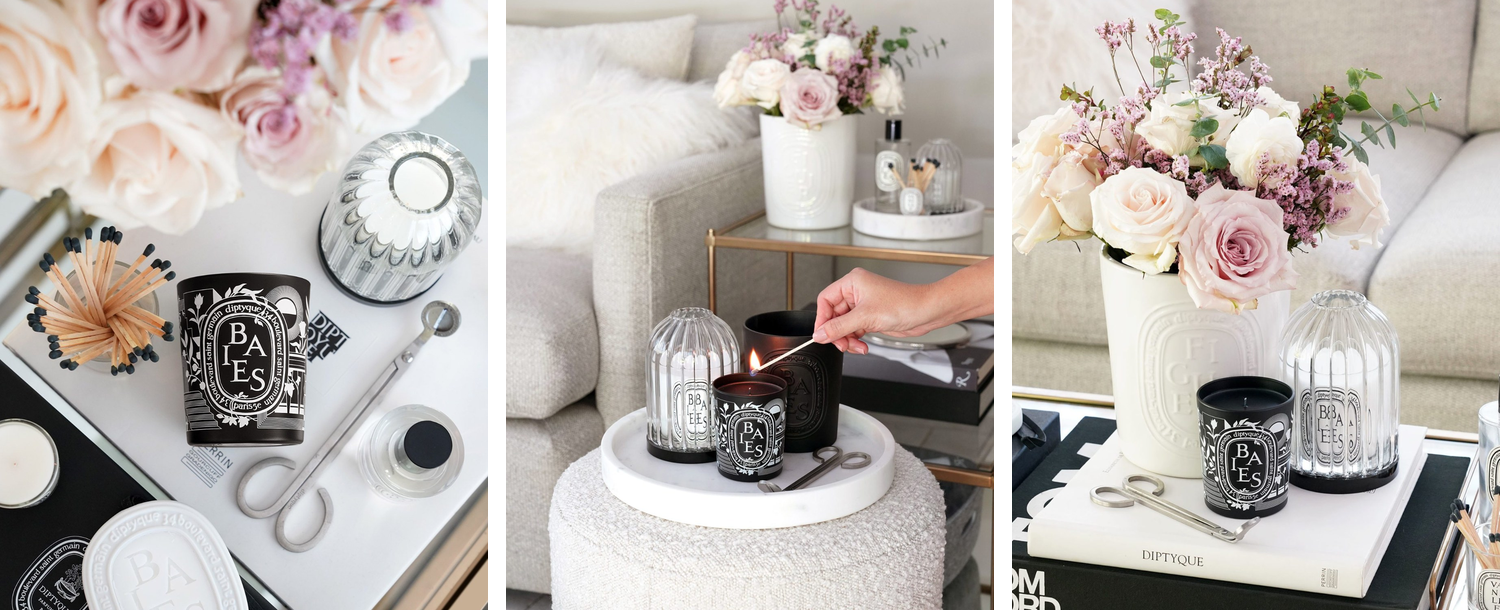
A piece or a capsule that’s only on sale those days, with no discount. Diptyque did it in 2020 with a special edition of its Baies candle in new packaging illustrated with a garden. It was only available on its own site from 27 to 30 November, and 15% of the proceeds went to the WHO’s COVID-19 Solidarity Response Fund. Anyone looking for a deal found something that wouldn’t be available again, and that has more pull than any discount.
A gift with purchase
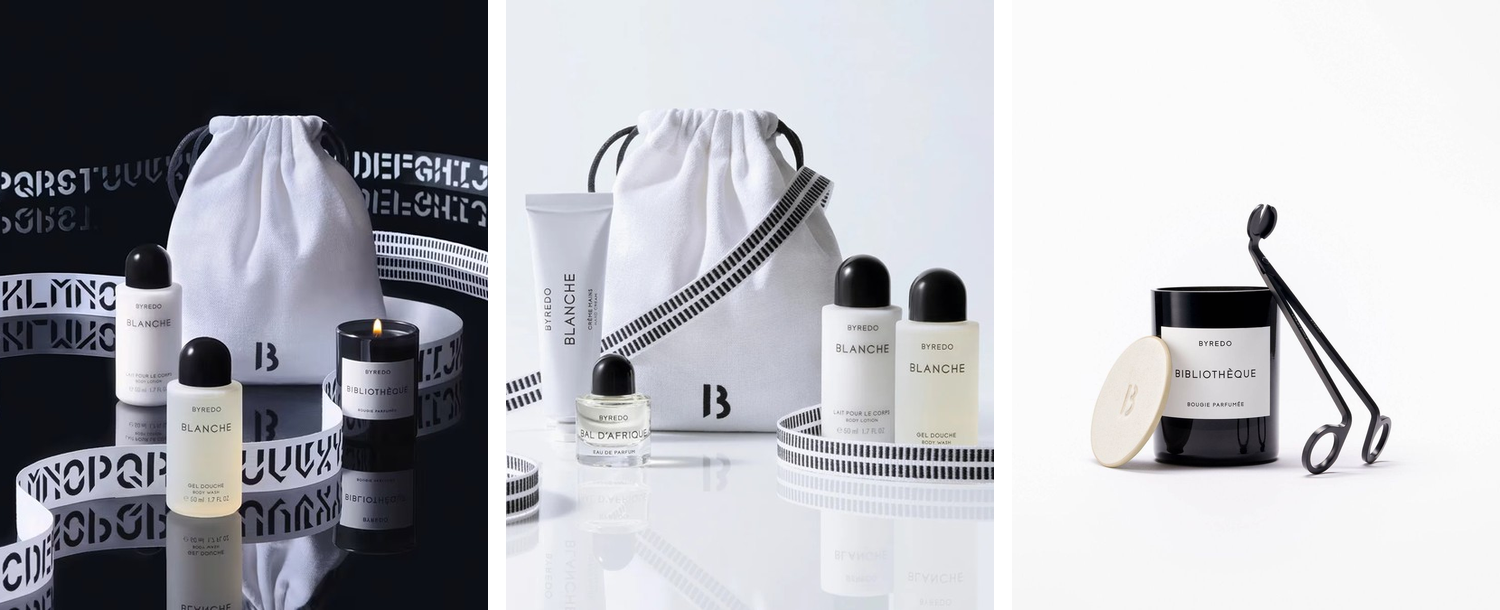
Instead of lowering the price, the brand adds something to the order. On Black Friday 2025, Byredo marked nothing down. Above a minimum spend, it gave a limited-edition pouch with three or more products, such as its Blanche body wash and body lotion and a small Bibliothèque candle. On larger orders, the pouch also included a hand cream and a travel-size Bal d’Afrique eau de parfum, all while stocks lasted. The customer feels they’re getting more, and the brand’s price stays the same.
A donation for every order
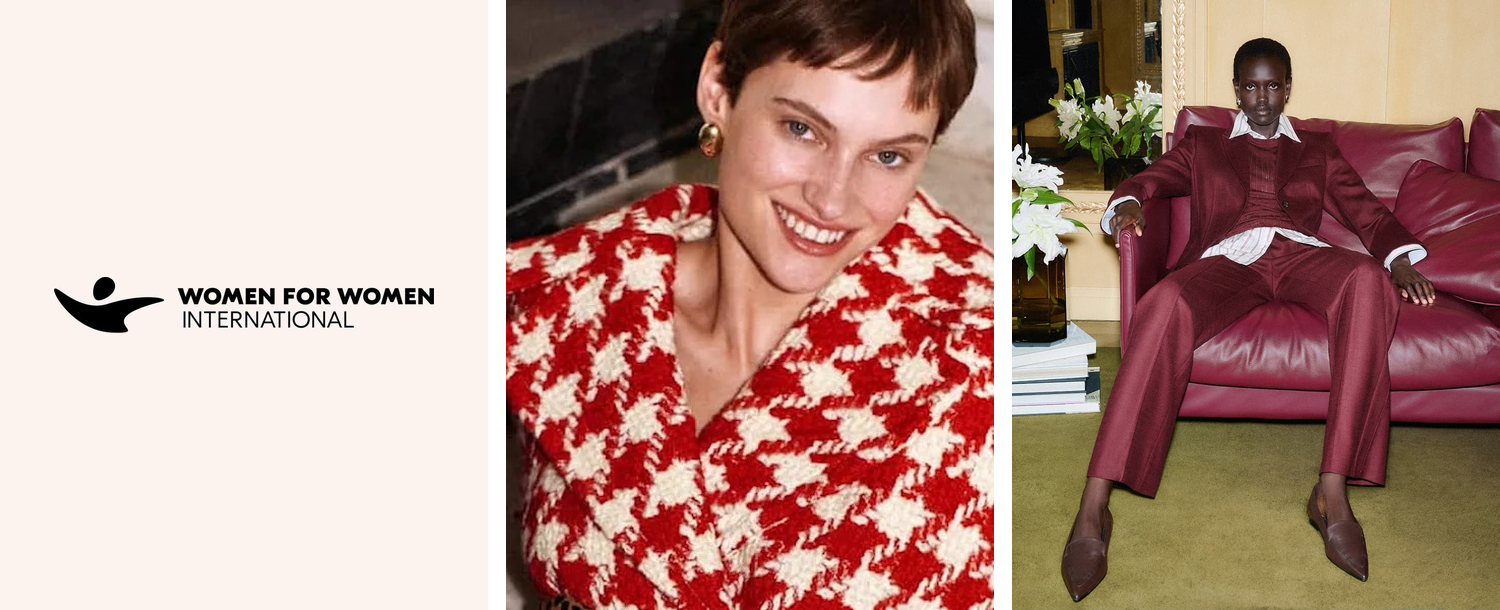
Other brands swap the discount for a cause. ME+EM ran no sale on Black Friday 2025. Instead, it donated £10 for every order placed that day, online and in store, to Women for Women International, a charity that supports women and girls affected by war. In other years the donation has gone to The Prince’s Trust. The brand said it doesn’t believe in fast fashion and would rather make considered investment pieces that make you feel confident.
In luxury, the Black Friday risk is in the service
Dropping discounts helps protect the brand, but that doesn’t mean the risks disappear. They simply move elsewhere, above all to the service, where in luxury any slip shows far more.
With four-figure orders, any doubt can be enough for the customer not to buy. Not being sure how a piece will fit or what happens if they need to return it can be enough. If a parcel goes missing or arrives damaged, the impact on the brand is far greater, both because of the value of the product and because of the customer’s trust. And if the refund takes ten days, the experience no longer lives up to what people expect from a luxury brand.
Bella Freud saw this with its refunds. They used to take up to 10 days and now they’re resolved in seconds. Support calls fell by 20% and its Trustpilot score went from 4.3 to 4.8, as we explain in the Bella Freud case study.
That’s why every moment of the purchase matters.
- Before buying: Tailor looks after the customer online as someone would in store, and the virtual try-onshows them how the garment looks before they pay.
- At checkout: With Returns Protection, they can add cover at checkout so that sending it back costs them nothing.
- In transit: With Protect, an expensive or fragile product travels protected.
- If they return: With Instant, they get their refund straight away, with no waiting.
The returns problems luxury brands are facing
These are problems we often see at luxury and premium brands, and none of them have to do with price
Frequently asked questions
Do luxury brands discount on Black Friday?
Most don’t. Those that take part prefer formats that leave the price untouched, such as early access for their best clients, limited editions, a gift with purchase or a donation for every order. Others, like Chanel, Louis Vuitton, Gucci or Rolex, stayed out of Black Friday in 2025.
What can a luxury brand offer on Black Friday instead of discounts?
First access to a collection, invitation-only sales, pieces only available those days, a gift with the order or a donation for every purchase. And service that matches the price, with personal help online, protected shipping and refunds that don’t take days.
Why does service matter more for luxury on Black Friday?
Because with a four-figure basket the customer hesitates more before buying and any failure is more visible. A lost parcel or a refund that takes ten days costs far more than in mid-market fashion, both in money and in the trust the customer has in the brand.
How do you build trust with a luxury customer before they buy?
By letting them see how the piece looks, answering their questions online as someone would in store, and telling them before they pay what happens if they need to return it. Knowing the return is covered and the refund will be quick removes much of the doubt.